
Brief reprieve for the Lab
The Lab is saved. Or is it?
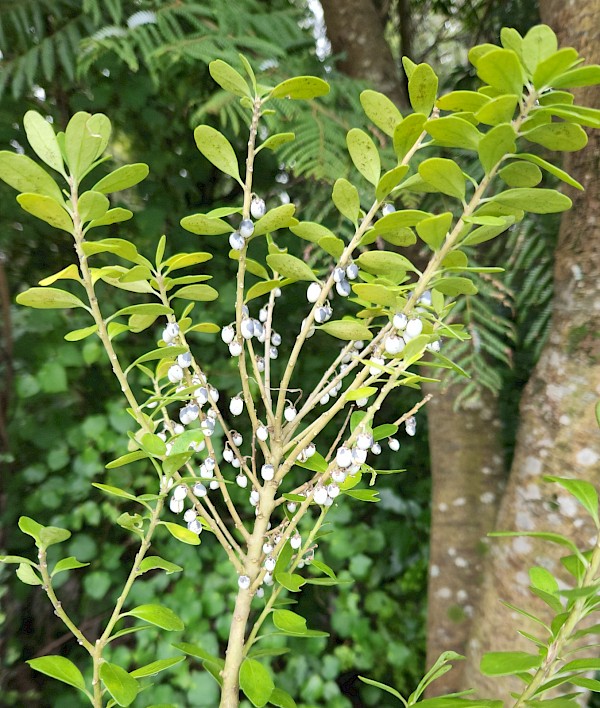 Cook Strait mahoe, Melicytus orarius. Taputeranga motu is a local stronghold for this rare mahoe, which is pollinated by geckos and difficult to germinate. Working in partnership with six local iwi, research at the Ōtari Lab has determined the best conditions for germination and several seedlings are now flourishing at Ōtari.In May, when Councillors voted in a sharply reduced Annual Plan for 2026/27, they agreed to a one-year reprieve for the Lions Ōtari Plant Conservation Laboratory. An earlier proposal had threatened to cut the Lab’s entire $211k budget, effective from June. Several submitters, including some of New Zealand’s leading science research and conservation organisations, explained the importance of the Lab for both national native plant conservation and Wellington’s own natural biodiversity, and councillors agreed to a phased reduction of funding over 2026/27. This would allow: ‘for engagement with stakeholders and iwi on future options … and for the development of an exit plan if a sustainable operating model is not achieved.’ Savings of $1.1k in 2026/27, and total savings of $2.1k from 2027/28 would be achieved.
We offered a compromise to save the lab, our research technician and partly completed research projects and we got this. We thank those councillors who rallied to the cause.
We had hoped the compelling submissions might have generated a more positive response from the Council table. There is now a lot of work to do this coming year with stakeholders and partners to discuss future options and to persuade WCC they should continue to invest in the Lab beyond next financial year. The Trust, Karori Lions and our research partners and organisations have already been talking.
Posted: 3 June 2026